what should your macros be on a keto diet Keto macros instagram diet
Keto Macros: How to Calculate Your Nutrient Ratios
Image Source: Link
 If you’re embarking on a ketogenic diet, understanding your nutrient ratios is crucial. The ketogenic diet, or keto diet, is a low-carb, high-fat eating plan that forces your body to burn fat instead of carbohydrates for energy. To ensure you’re eating the right amounts of macronutrients, it’s essential to calculate your nutrient ratios accurately. In this article, we’ll guide you through the process of calculating keto macros to help you reach your health and weight loss goals.
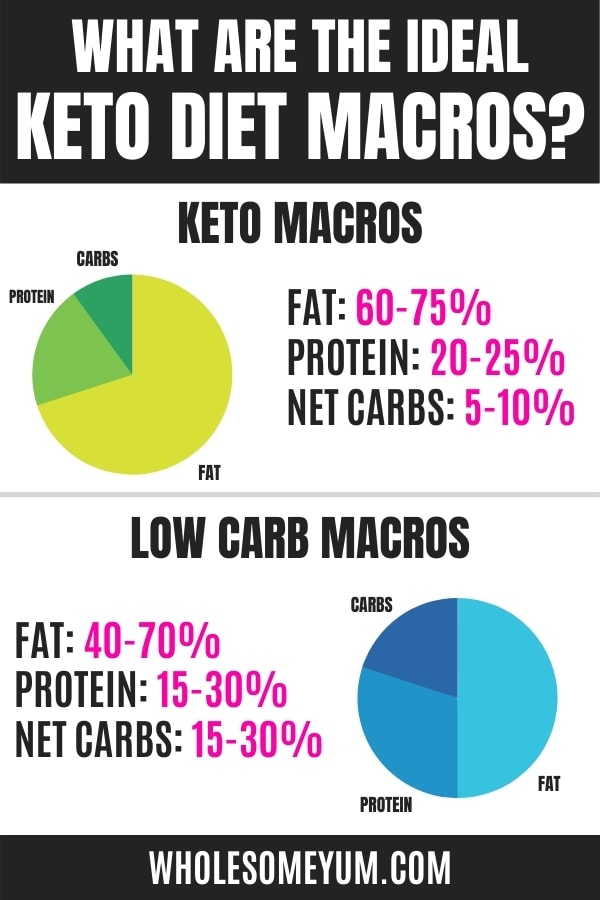
First, let’s define what macronutrients are. Macronutrients are the three major nutrients that provide energy and make up the bulk of our diets: carbohydrates, proteins, and fats. On a ketogenic diet, the ideal macronutrient ratios are generally 5-10% carbohydrates, 15-30% proteins, and 60-75% healthy fats.
Why are Macronutrients Important on a Ketogenic Diet?
 By tracking and focusing on the right macronutrient ratios, you can achieve and maintain a state of ketosis. Ketosis is the metabolic state where your body relies primarily on fat for fuel, rather than carbohydrates. Achieving and sustaining ketosis is the primary goal of the ketogenic diet, as it can lead to numerous health benefits, including weight loss, improved energy, mental clarity, and reduced inflammation.
Calculating your keto macros might seem complicated, but it’s actually quite straightforward. The first step is determining your daily calorie intake goal. This goal is individualized and depends on factors such as your age, gender, weight, height, activity level, and weight loss goals. There are several online calculators and apps available that can help you determine your calorie needs.
Once you have your daily calorie goal, you can calculate your macronutrient ratios. Let’s break it down:
- Carbohydrates
On a ketogenic diet, you’ll typically aim for 5-10% of your daily calories to come from carbohydrates. Carbohydrates are the macronutrients that have the most significant impact on blood sugar levels, and by strictly limiting them, you can keep your body in a state of ketosis. For example, if your daily calorie goal is 1500 calories, you’ll aim for 75-150 calories from carbohydrates (19-38 grams).
- Proteins
The next step is determining your protein intake. Proteins are essential for building and repairing tissues, as well as promoting satiety. On a keto diet, you’ll typically aim for 15-30% of your daily calories to come from protein. If we continue with the example of a 1500-calorie daily goal, you’ll aim for 225-450 calories from protein (56-113 grams).
- Fats
Lastly, you’ll calculate your fat intake. On a ketogenic diet, healthy fats are your primary source of energy. You’ll aim for 60-75% of your daily calories to come from fats. Following the 1500-calorie example, you’ll aim for 900-1125 calories from fat (100-125 grams).
It’s important to note that these macronutrient ratios are not set in stone. Some individuals might require slight adjustments to find their ideal ratios for optimal ketosis and weight loss. Additionally, individuals with certain health conditions or specific goals, such as athletes or bodybuilders, might require modification of the ratios. Consulting with a healthcare professional or registered dietitian who specializes in the ketogenic diet can help ensure you’re following the right ratios for your unique needs.
In conclusion, calculating your nutrient ratios is crucial for achieving and maintaining ketosis on a ketogenic diet. By tracking and adjusting your macronutrient intake, you can optimize your progress towards your health and weight loss goals. Remember to consult with a healthcare professional or dietitian for personalized guidance and to monitor your progress regularly. Start your ketogenic journey today and experience the potential benefits it can bring to your life.
If you are looking for What Are Macros? Ultimate Guide To Keto Macros | Wholesome Yum you’ve came to the right page. We have 5 Images about What Are Macros? Ultimate Guide To Keto Macros | Wholesome Yum like Ketogenic diet macros image by ⭐️ Natalie M on Health | Ketogenic diet, My Keto Diet Update! (2 week weigh in) - Beneath My Heart and also Keto Macros: How to Calculate Your Nutrient Ratios | Keto, Nutrient, Macros. Here you go:
What Are Macros? Ultimate Guide To Keto Macros | Wholesome Yum
 www.wholesomeyum.commacros keto diet carb low percentages carbs wholesomeyum loss weight ideal percentage higher permitted calculated choose board
KetoWeightlossTips On Instagram: “Keto Macros 👉🏼Generally, The Keto
 www.pinterest.comketo macros instagram diet
Ketogenic Diet Macros Image By ⭐️ Natalie M On Health | Ketogenic Diet
www.pinterest.comprotein carbs macros infographic ketogenic explanation fats ketosis ratios lchf
My Keto Diet Update! (2 Week Weigh In) - Beneath My Heart
 www.beneathmyheart.netketo diet ketogenic eat macros guide carbs week macro protein loss weight weigh update beginners chart heart fat did pie
Keto Macros: How To Calculate Your Nutrient Ratios | Keto, Nutrient, Macros
www.pinterest.camacros keto
Ketogenic diet macros image by ⭐️ natalie m on health. What are macros? ultimate guide to keto macros. Protein carbs macros infographic ketogenic explanation fats ketosis ratios lchf