ketogenic glucogenic amino acids mnemonic Difference between glucogenic and ketogenic amino acids
Hey there! Today, let’s dive into the fascinating world of amino acids and explore the difference between two important types - glucogenic and ketogenic amino acids. We’ve got an amazing infographic to help us along the way, so let’s get started!
The Difference Between Glucogenic and Ketogenic Amino Acids
 First things first, let’s understand what glucogenic and ketogenic amino acids are. Amino acids are the building blocks of proteins and play essential roles in our bodies. There are 20 amino acids, and they can be classified based on their metabolic fate.
Glucogenic Amino Acids
The term “glucogenic” refers to amino acids that can be converted into glucose through various metabolic pathways. These amino acids are vital for energy production and maintaining blood sugar levels. Some example glucogenic amino acids include alanine, glycine, serine, and histidine.
Alanine, for instance, is an important amino acid involved in the metabolism of glucose. It can be converted into pyruvate and then utilized to produce glucose through a process called gluconeogenesis. Glycine and serine also participate in this pathway and can be transformed into glucose when needed by the body.
Ketogenic Amino Acids
On the other hand, ketogenic amino acids have a different metabolic fate. These amino acids can be converted into ketone bodies, such as acetoacetate or beta-hydroxybutyrate, through a process called ketogenesis. Ketone bodies serve as an alternative energy source, especially during periods of fasting or low carbohydrate intake.
An excellent mnemonic to remember the ketogenic amino acids is to use the phrase “King-Kong Has Two Awesome Legs.” This represents lysine, ketoleucine, histidine, threonine, and tryptophan, respectively. These amino acids can be metabolized to produce ketone bodies and provide energy to our bodies when glucose levels are limited.
 In a nutshell, both glucogenic and ketogenic amino acids play pivotal roles in maintaining our body’s energy balance. While glucogenic amino acids can be converted into glucose, ketogenic amino acids take part in ketone body production as an alternative fuel source.
Understanding the difference between these types of amino acids is crucial, as it sheds light on how our bodies utilize different nutrients for energy production. It also emphasizes the importance of a balanced diet that includes all essential amino acids.
So, the next time you’re enjoying a protein-packed meal, remember the incredible work our amino acids are doing behind the scenes to keep us fueled and functioning optimally!
Stay tuned for more fascinating insights!
If you are looking for Glucogenic Amino Acids Mnemonic / AMINO ACIDS EASIEST MNEMONIC | NEET you’ve came to the right web. We have 5 Pics about Glucogenic Amino Acids Mnemonic / AMINO ACIDS EASIEST MNEMONIC | NEET like Glucogenic Amino Acids Mnemonic / AMINO ACIDS EASIEST MNEMONIC | NEET, glucogenic & ketogenic amino acids Mnemonics and also Difference Between Glucogenic and Ketogenic Amino Acids | Compare the. Read more:
Glucogenic Amino Acids Mnemonic / AMINO ACIDS EASIEST MNEMONIC | NEET
hamamimuya.blogspot.comacids ketogenic glucogenic mnemonic leucine biology neet easiest sir mnemonics mcat
Diferença Entre Aminoácidos Glicogênicos E Cetogênicos - 2022 - Notícia
 pt.weblogographic.comPROTEIN METABOLISM - Welcome To Bio Stud…
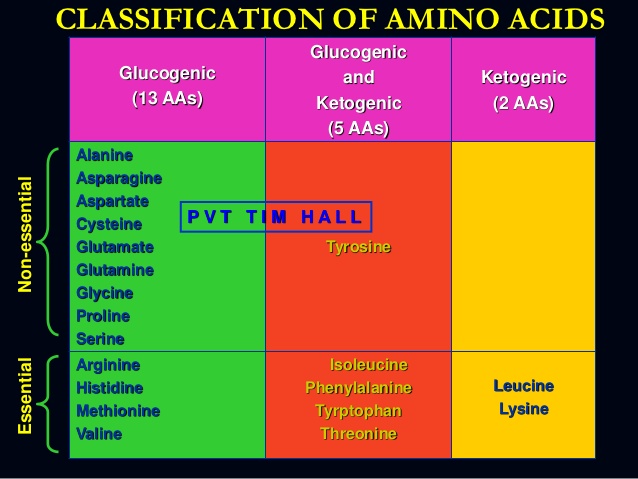 biostudizz.weebly.comamino ketogenic metabolism acids acid protein energy weebly
Difference Between Glucogenic And Ketogenic Amino Acids | Compare The
www.differencebetween.comacids ketogenic glucogenic catabolism mnemonic keto biochemistry bcii
Glucogenic & Ketogenic Amino Acids Mnemonics
www.rxpgonline.commnemonic mnemonics amino ketogenic acids add send friend comment print
Protein metabolism. Glucogenic & ketogenic amino acids mnemonics. Difference between glucogenic and ketogenic amino acids